

Thermoforming Materials
What each sheet material is good for, how we use it, and how to pick one for your part.
- 6 materials we run
- ABS, Kydex and acrylic
- HMW-HDPE for heavy duty
- Help picking material and thickness
Start with what the finished part must do. Covers, clear panels and returnable trays face different demands. Tell us how the part is handled, what it touches and which surfaces people see. Shirley K’s runs ABS, Kydex, acrylic, HMW-HDPE, HIPS and PETG. We’ll recommend material and thickness for your part.
Custom parts we’ve formed
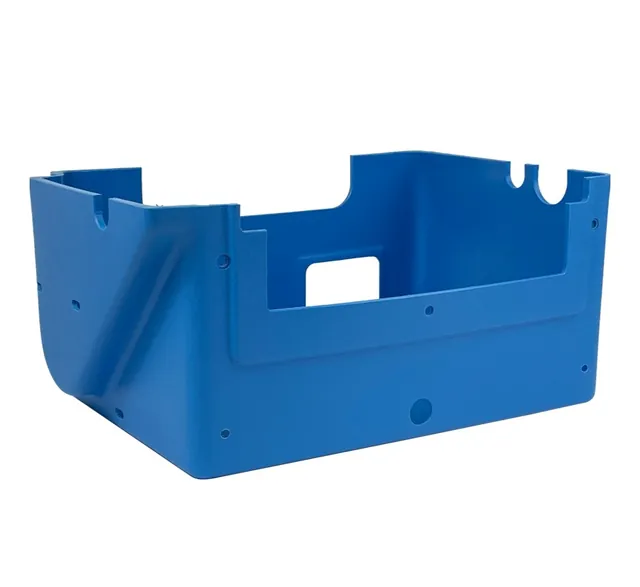
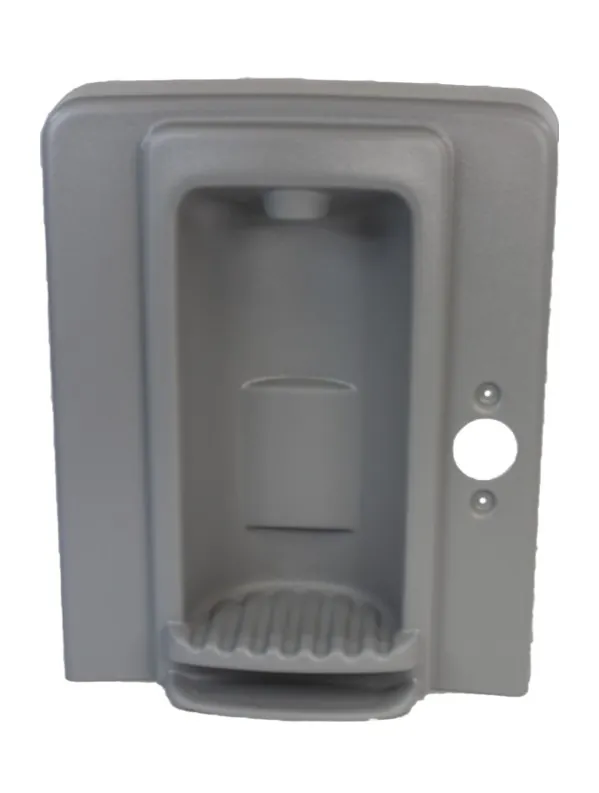
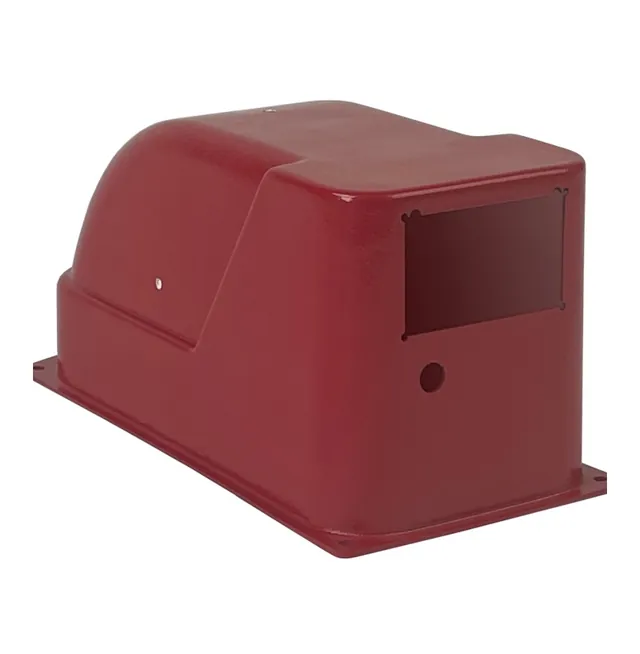
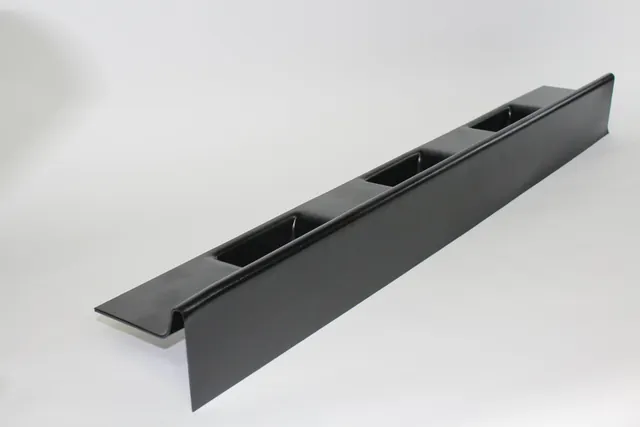
How the part gets used
There’s no single best plastic for thermoforming or vacuum forming. The right one depends on clarity, impact, chemical exposure and how the part is handled.
Material grades behave differently, and the formed shape affects performance. Tell us what the part gets hit with, what it’s cleaned with, what it carries and what exposure it faces.
Clear parts need visibility, with scratches and chemical exposure also affecting the choice. Handling trays may put repeated impact and wear first. Use the comparison below to narrow your options, then tell us about the job.
Compare materials
The middle columns are general material traits, which vary by grade. The last column shows how we use each material.
| Material | Generally good for | Watch for | How we use it |
|---|---|---|---|
| ABS | Toughness, stiffness and appearance | Sunlight can weaken or discolor standard grades outdoors | Tough, versatile custom parts and enclosures |
| Kydex | Durability and a finished surface on visible parts | Properties vary by grade, so name the grade if you have one | Durable custom parts with a quality finish |
| Acrylic | Optical clarity and surface appearance | More brittle under impact and can crack around holes and sharp corners | Clear parts, especially where appearance matters |
| HMW-HDPE | Toughness, impact and wear resistance, and resistance to many chemicals | Hard to bond or paint, and it shrinks more than many plastics as it cools | Food-handling totes and lugs, material-handling totes, returnable dunnage and custom parts that take repeated handling |
| HIPS | Rigid trays where formability and cost matter | Lower impact strength than ABS | Organizational and school storage trays |
| PETG | Clarity, toughness and formability for trays | Scratches show on clear parts | Organizational and school storage trays |
HMW-HDPE and sheet thickness
All the HDPE we thermoform is HMW-HDPE. Our HMW-HDPE is suitable for food contact applications and performs from -76 °F to 180 °F. See HDPE thermoforming for how thermoformed HMW-HDPE compares with injection-molded HDPE.
For custom work we form sheet from .080″ to .450″ thick. Tell us your part requirements and we’ll recommend the material and gauge.
Six checks for material choice
Describe how the part could fail. A cracked corner, cloudy viewing area or distorted mounting edge points to different material needs. These six checks help explain the job.
- Impact and handling. Describe drops, bumps and repeated loading. Show where the part is supported during each.
- Chemical exposure. Name the cleaners, oils and other substances it touches. Tell us how often and for how long.
- Clarity and visibility. Tell us if users need a clear view through the part or just enough visibility to identify contents.
- Surface appearance. Mark visible faces and explain which scratches, scuffs, colors or textures are acceptable.
- Weight and handling. Describe how people lift and handle the part and what loads it must carry.
- Cost and requirements. Separate requirements from preferences so we can weigh material choices against the cost of the complete finished part.
Choose material and thickness together
Sheet stretches during forming, so wall thickness generally varies across the part. Deep draws and abrupt shape changes can leave thinner areas. Those changes affect how the finished part carries a load.
Material, shape and thickness work together. More thickness generally adds weight and uses more material. Shape changes can affect stiffness and forming. Show us mounting points, unsupported spans and mating components so we can account for the finished assembly.
Send a drawing, CAD model, sample part or tool details with the use conditions. Our part design and development page explains where to start with a new component.
What to send for a quote
If your drawing specifies a plastic, send the full material designation and mark requirements that cannot change. If material choice is open, describe the job and any problems with the existing part.
Use our quote preparation guide to gather the details.
Thermoforming Materials Questions
Which materials does Shirley K’s run?
We run ABS, Kydex, acrylic, HMW-HDPE, HIPS and PETG. Tell us what the part does so we can recommend material and thickness.
Which clear materials do you run?
Acrylic and PETG. Acrylic is often chosen for optical clarity and surface appearance. PETG is tough and forms well, and scratches show more readily on clear PETG parts. We don’t thermoform polycarbonate. Tell us the impact, cleaning and viewing requirements, and we’ll recommend one.
What is the difference between HDPE and HMW-HDPE?
HMW-HDPE is a higher-molecular-weight form of HDPE, generally associated with toughness and wear resistance. All the HDPE we thermoform is HMW-HDPE, including our food-handling totes and lugs, material-handling totes and returnable dunnage.
Is the HMW-HDPE used in your totes recyclable?
Yes, the HMW-HDPE we use in those products is recyclable. Check whether your local collection or recycling program accepts it.
Can thickness make up for choosing the wrong material?
Thickness changes stiffness and load response, but it cannot fix chemical compatibility or clarity limitations. Choose material and thickness together for the job.
Can you help if we have only a sample part?
Yes, we can reverse engineer a tool from your existing part. Send the sample and tell us what works and what needs to change.
Tell us what the part has to do
We’ll recommend a material and thickness.
Call: (740) 868-8140 · Email: orders@shirleyks.com · 1150 Newark Road, Zanesville, OH 43701